Brake fluid sits out of sight, so it is easy to forget about it. As long as the pedal feels firm and the car stops, most drivers assume everything is fine.
The reality is that brake fluid slowly absorbs moisture, and that hidden water can soften pedal feel, lengthen stopping distances, and quietly corrode expensive brake parts over time.
What Brake Fluid Really Does
Brake fluid is the hydraulic link between your foot and the brake pads. When you press the pedal, the master cylinder pushes fluid through lines and hoses to each wheel, and that pressure clamps the pads or shoes against the rotors or drums. Because the fluid does not compress, the brakes can react quickly and predictably every time you slow down.
The same fluid also lubricates seals and helps keep rust away inside the master cylinder, ABS unit, and calipers. Once the fluid is old and contaminated, it cannot protect those parts the way it should.
Why Brake Fluid Absorbs Moisture
Most brake fluids are hygroscopic, meaning they absorb water from the air. That helps keep small amounts of moisture from pooling and freezing in one spot, but it also means the fluid’s water content slowly climbs as the years go by. As water content rises, the boiling point of the fluid drops, making it easier for hard braking to turn some of that moisture into vapor.
Moisture creeps in through rubber hoses, seals, and the reservoir vent, even when there are no visible leaks. After a few years of normal use, fluid that starts clear and light often ends up darker and loaded with more water than the system was designed to handle.
How Moisture Hurts Braking Performance
Water in the fluid creates a softer pedal feel and internal rust. Under hard stops, pads and rotors generate enough heat to boil moisture-contaminated fluid inside the calipers, forming vapor bubbles that compress and make the pedal feel spongy or sink farther than normal. Over time, moisture also encourages rust inside steel lines, calipers, and ABS valves, and rust flakes and sludge can damage seals and passages from the inside out.
Owner Habits That Speed Up Fluid Breakdown
Everyday driving can age brake fluid faster than most people expect. Habits that push it toward an early flush include riding the brakes on long hills, driving through deep water and then parking while components are still soaked, ignoring dark or dirty fluid in the reservoir for years, and opening the reservoir cap unnecessarily in humid or dusty conditions. None of these ruins the system overnight, but together they shorten the time before moisture and debris build up enough to cause trouble.
Warning Signs That a Brake Fluid Flush Is Due
Brake fluid does not have its own reminder light, so you have to watch for small changes. A pedal that used to feel firm but now feels softer, needs more travel before the brakes grab, or firms up only after you pump it once or twice, can point toward tired fluid, especially if pads and rotors are still in good shape. Very dark, cloudy fluid in the reservoir or any brake, ABS, or stability control warning light is another strong reason to have the system inspected and the fluid checked.
What Happens During a Professional Brake Fluid Flush
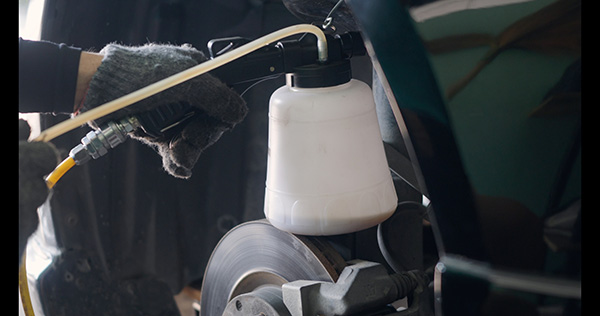
A proper brake fluid flush replaces most of the old fluid, not just what you can see in the reservoir. The technician removes old fluid from the master cylinder, then uses fresh fluid to push the contaminated fluid out through each wheel in the correct order until clean fluid flows at every bleed screw. While the system is open, we can also look for rusted lines, cracked hoses, sticky bleeders, and signs of external leaks, then bleed out any air and confirm pedal feel on a road test.
Simple Timing Guidelines for Brake Fluid Service
You do not have to memorize every spec sheet to stay ahead of brake fluid issues. Most drivers do well by having the fluid checked every couple of years and flushed according to the manufacturer’s recommended time or mileage, with shorter intervals for vehicles that tow, see mountain driving, or spend a lot of time in stop-and-go traffic. Between visits, pay attention to pedal feel and warning lights, and mention any changes when you come in so fluid conditions can be checked at each service.
Get Brake Fluid Flush Service in Evans, GA with Marc Yount's Tire Pros
We can test your brake fluid for moisture, inspect lines and calipers, and perform a complete flush so your brakes stay strong and consistent when you need them most. We explain what we find in clear, straightforward terms and help you plan future maintenance around how and where you drive.
Call Marc Yount's Tire Pros in Evans, GA, to schedule a brake fluid flush and keep your brake system responsive and reliable.