Posted on 9/25/2026
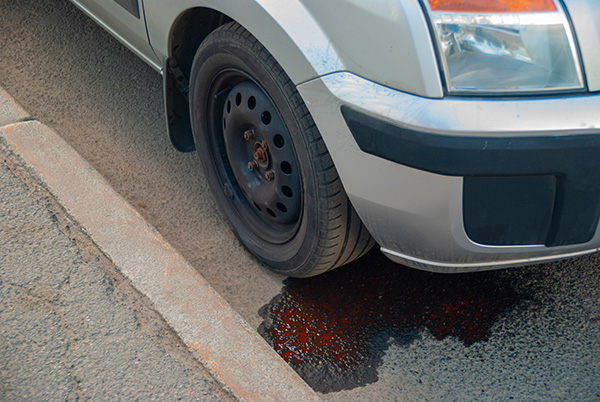
A leaking steering rack does not automatically mean the entire steering system needs to be replaced. Some leaks come from hoses, fittings, or external seals around the rack, while others come from internal wear that makes replacement the better long-term repair. The first step is figuring out exactly where the power steering fluid is escaping and the rack's mechanical condition. A rack that only has a minor external leak is very different from one with worn internal seals, corrosion, or excessive play in the steering mechanism. Not Every Leak Comes From the Steering Rack Itself Power steering fluid can travel along hoses, brackets, crossmembers, and the rack housing before dripping onto the ground. That makes it easy to assume the rack is leaking when the real source is somewhere nearby. High-pressure hoses, return hoses, O-rings, fittings, and the power steering pump can all leak in the same area. At our shop, we clean the wet surfaces and trace fresh fluid ba ... read more
Posted on 8/28/2026
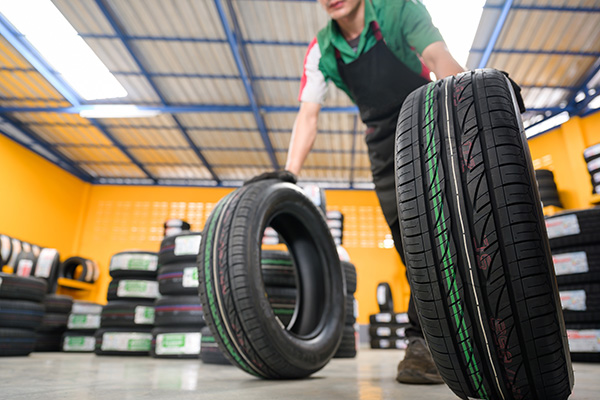
Directional tires are designed to rotate in one specific direction. Their tread pattern is engineered to move water away from the center of the tire as the vehicle travels forward. An arrow on the sidewall shows the required direction of rotation. When a directional tire is installed backward, the tire can still hold air and support the vehicle, but its tread no longer works as intended. Dry-road driving may feel relatively normal, yet wet-weather traction, resistance to hydroplaning, braking performance, and handling can be reduced. The tire should be remounted correctly as soon as the installation error is discovered. How Directional Tread Works Most directional tires use a V-shaped or arrow-shaped tread pattern. As the tire rolls forward, the angled grooves direct water from the center of the contact patch toward the outer edges. This helps the tread maintain contact with the pavement during rain. The design can also improve straight-line stability, high-speed p ... read more
Posted on 7/31/2026
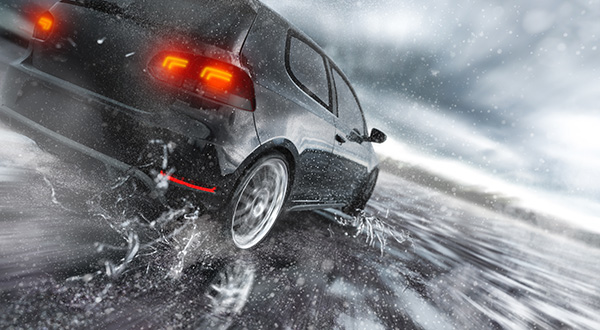
Rain changes the way a car feels in a hurry. A turn that felt normal yesterday can suddenly feel light. A stop that should have been simple can take more room than expected. The vehicle may not seem out of control at first, but the tires are already working harder to stay connected to the road. Wet-road traction depends on tire condition, tread depth, tire age, pressure, alignment, speed, and road surface. When one of those pieces is off, the tire has less ability to move water away and hold the pavement. That is why tire condition plays such a large role in rainy-day braking, steering, and crash prevention. Tires Need Tread To Push Water Away Tread is not only there for appearance. The grooves in the tire are designed to channel water away from the contact patch, which is the small area where the tire touches the road. When tread is deep enough, the tire has a better chance of reaching the pavement through the water. As tread wears down, the tire loses that abilit ... read more
Posted on 6/26/2026
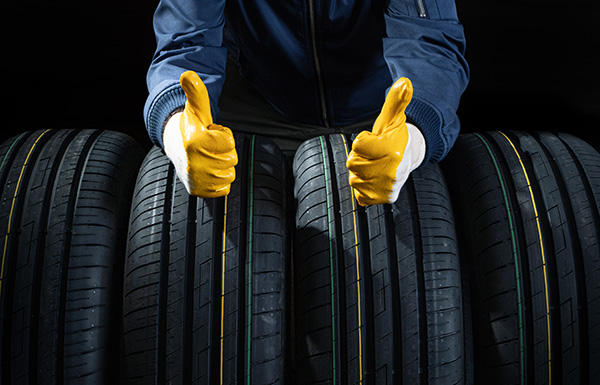
Replacing tires can feel like a bigger decision than drivers expect. If two tires are worn out and the other two still have some tread left, it is natural to wonder whether you really need all four. Sometimes replacing only two tires makes sense, but in many situations replacing all four is the better choice. Tires work as a set. They affect traction, braking, steering, ride comfort, fuel economy, and how well the vehicle responds in wet weather. When all four tires match in tread depth, age, size, and grip, the vehicle usually feels more predictable. That consistency is the main reason many drivers choose a full set. 1. Better Tire Traction In Rain And Emergency Stops Tread depth plays a major role in how well tires move water away from the road. When two tires have deeper tread, and two are worn down, the vehicle can respond differently from front to rear. That difference can be especially noticeable during rain, hard braking, or quick steering corrections. A ful ... read more
Posted on 6/19/2026
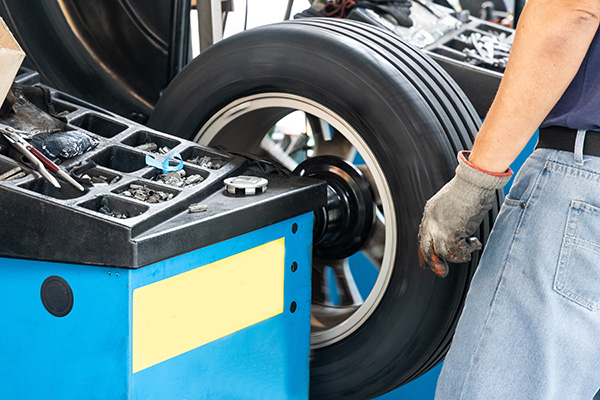
Tire service can sound like one big category until you are trying to decide what your car actually needs. New tires, wheel alignment, tire rotation, and tire balancing all help the vehicle drive better, but each solves a different problem. Mixing them up can lead to uneven tire wear, vibration, pulling, or premature tire replacement. Good tire care is not only about buying a new set when the tread is gone. It is also about keeping the tires from wearing unevenly and helping the vehicle stay stable between replacements. When New Tire Sales Make Sense New tires are needed when the current set is worn, damaged, too old, or no longer safe for the way the vehicle is driven. Low tread is one of the easiest reasons to spot. Once tread depth gets too low, the tires have less grip, especially in rain, and stopping distance can increase. Damage matters too. Sidewall bubbles, deep cracks, punctures near the sidewall, exposed cords, and tire separation are all signs that the t ... read more