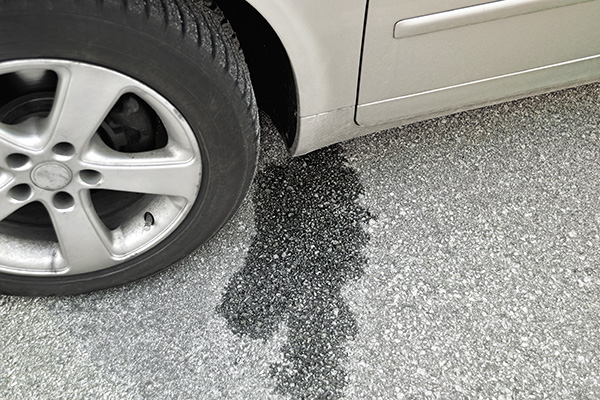
Coolant loss is frustrating because it often feels like the car is quietly draining money and time. You top it off, everything seems normal, and then the reservoir is low again a week later. The hardest part is that many leaks do not leave a puddle where you park, so it feels like the coolant is vanishing.
It is not vanishing. It is escaping somewhere, and there are a few reliable ways to narrow down where.
Why You Might Not See A Leak On The Ground
Many cooling system leaks only happen under heat and pressure. When the engine is cold, everything seals a little better, and the leak can stop. When the engine warms up, pressure builds, the leak opens, and coolant can mist out or seep, then evaporate before it ever drips.
Coolant can also travel. It can run along the engine, collect on a splash shield, and drip from an edge that is not near the source. That is why judging the leak by the driveway spot can point you in the wrong direction.
Step 1. Track The Coolant Level The Right Way
Before you chase parts, confirm the pattern. Check the reservoir only when the engine is fully cool and parked level. Mark the level mentally at the same line each time and recheck after a few days of normal driving.
If you are adding coolant repeatedly, write down how often and how much. That pattern is useful information for an inspection. It also helps you avoid overfilling, which can push coolant out when it warms up and make the situation harder to read.
Step 2. Look For Dried Coolant Trails And Smell Clues
Coolant often leaves a chalky or crusty residue where it leaks. Hose ends, plastic fittings, radiator seams, and thermostat housings are common places to see dried staining. A sweet smell after engine shutdown is another clue, even if nothing looks wet.
If the smell is strongest near the front of the engine bay, the leak is often forward. If the smell is stronger near the passenger side firewall area, heater hose or heater core paths become more likely. A smell inside the cabin with fogging windows can hint at heater core seepage.
Step 3. Check The Common Leak Points First
Some leak points are simply more common on modern vehicles because of plastic parts and quick-connect seals. These areas are worth checking early because they account for a lot of repeat top-offs.
Common leak areas include:
- Radiator end tanks and seams
- Upper and lower radiator hoses at the clamps
- Thermostat housing and coolant outlet fittings
- Water pump seep areas and weep hole residue
- Reservoir seams and the cap neck area
If you see residue but cannot tell if it is old or new, cleaning the area and rechecking after a few drives often makes an active leak easier to spot.
Step 4. Do Not Ignore The Cap And Pressure Side
Cooling systems rely on pressure to raise the boiling point and keep the temperature stable. If the radiator cap or reservoir cap is weak, coolant can vent as vapor or push out through the overflow path. You may never see liquid, yet the reservoir keeps dropping.
A weak cap can also pull air into the system as it cools. That can create odd level swings and heater behavior changes. Caps are simple parts, but they can create confusing symptoms that look like a leak that is hard to find.
Step 5. Watch For Heater Output Changes And Temperature Creep
A low coolant level can create air pockets, and air pockets disrupt circulation. That often shows up as a heater that blows hot, then cool, then hot again during the same drive. Temperature creep in traffic is another clue, especially if the gauge rises above its usual position at idle.
Do not keep driving through temperature changes hoping it settles. Coolant loss reduces the system’s margin. Even one overheating event can stress hoses, seals, and gasket surfaces. If you notice the gauge climbing higher than normal, move the problem up your list.
Step 6. How A Shop Actually Finds The Leak
The most reliable method is pressure testing. The system is pressurized in a controlled way while the engine is cool, and leaks reveal themselves without the heat and airflow that hide them on the road. This is how we find leaks that never drip in a driveway.
A dye test can help with very slow leaks, and an inspection also checks for related problems like a weak cap, brittle fittings, or a water pump that is just beginning to seep. This kind of inspection is part of regular maintenance thinking because it catches a small leak before it becomes an overheating surprise.
What To Avoid While You Are Losing Coolant
Avoid repeatedly topping off without finding the cause. It can keep you moving for a short time, but it also makes it easier to miss when the leak becomes worse. Also avoid mixing coolant types unless you are sure they are compatible. The wrong mix can create deposits and shorten component life.
If you are unsure, it is better to add the correct coolant or a compatible mix and then schedule an inspection. The goal is to protect the engine while you find the real source.
Get Coolant Leak Repair In Evans, GA, With Marc Yount's Tire Pros
Marc Yount's Tire Pros in Evans, GA, can pressure test your cooling system, locate the leak source, and recommend the right repair so you can stop topping off coolant.
Schedule a visit and get a clear answer before low coolant leads to overheating.