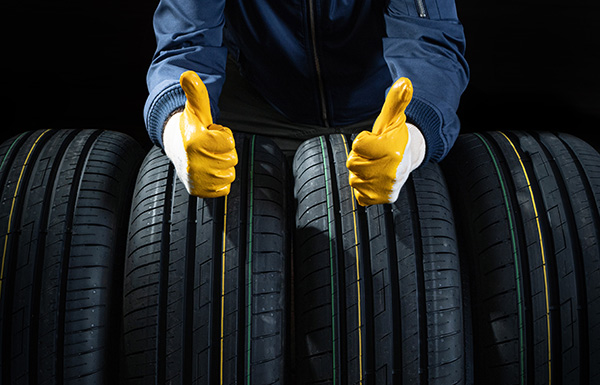
Replacing tires can feel like a bigger decision than drivers expect. If two tires are worn out and the other two still have some tread left, it is natural to wonder whether you really need all four. Sometimes replacing only two tires makes sense, but in many situations replacing all four is the better choice.
Tires work as a set. They affect traction, braking, steering, ride comfort, fuel economy, and how well the vehicle responds in wet weather. When all four tires match in tread depth, age, size, and grip, the vehicle usually feels more predictable. That consistency is the main reason many drivers choose a full set.
1. Better Tire Traction In Rain And Emergency Stops
Tread depth plays a major role in how well tires move water away from the road. When two tires have deeper tread, and two are worn down, the vehicle can respond differently from front to rear. That difference can be especially noticeable during rain, hard braking, or quick steering corrections.
A full set of new tires gives all four corners the same grip level. That helps the vehicle stop, turn, and handle wet roads more evenly. Replacing only two tires may improve part of the vehicle, but the older tires can still limit overall traction. In Georgia rain, that difference can show up quickly when roads get slick.
2. More Even Handling And Steering Control
When tires have different tread depths or different designs, the vehicle may not feel as balanced. The steering can feel sharper on one end and looser on the other. In turns, lane changes, or sudden stops, that uneven grip can make the car feel less settled than it should.
Changing all four tires helps the vehicle respond more evenly. The tread pattern, rubber compound, sidewall design, and tread depth all match. That consistency can make daily driving feel more controlled, especially at highway speeds or on roads with standing water, bumps, or uneven pavement.
3. All-Wheel Drive And 4x4 Tire Protection
All-wheel-drive and four-wheel-drive vehicles are especially sensitive to differences in tire wear. These systems expect all four tires to rotate at similar speeds. If two tires are new and two are worn, the difference in rolling diameter can create extra strain on the drivetrain.
That strain can affect transfer cases, differentials, clutches, sensors, and other driveline parts. On some vehicles, tire mismatch can lead to vibration, binding, warning lights, or expensive repair needs. For many AWD and 4x4 vehicles, replacing all four tires at once is the safer option to protect the system.
4. Easier Tire Rotation And Regular Maintenance
A matching set of four tires makes tire rotation simpler. Rotations help tires wear more evenly over time, but they work best when all four tires start with similar tread depth and condition. If two tires are much newer than the others, rotation choices can become more limited.
Regular maintenance is easier when the tires are all the same age and model. You can track wear patterns more clearly, check pressure consistently, and spot alignment or suspension concerns before they ruin one side of the set. A tire inspection can also indicate whether uneven wear is caused by alignment issues, worn suspension parts, low tire pressure, or driving conditions.
5. Better Value Over The Life Of The Tires
Buying four tires at once costs more upfront, but it can offer better value over time. A full matching set can wear more evenly, rotate properly, and perform consistently for the life of the tires. Replacing only two now may mean replacing the other two soon, then dealing with mismatched tread again.
A full set can also reduce the chance of chasing ride complaints caused by mixed tire brands or uneven tread depths. If the vehicle vibrates, pulls, hums, or feels different after a two-tire replacement, the tire mismatch may be part of the issue. Starting fresh with four matching tires can make the whole service plan cleaner.
When Replacing Only 2 Tires Might Still Make Sense
There are times when replacing two tires is reasonable. If the other two tires are fairly new, have plenty of even tread, are the same model, and match the correct size, a two-tire replacement may work. The newer tires should typically be installed on the rear for better stability in wet conditions.
Still, that decision should be based on measurements, not a quick glance. Tread depth, tire age, wear pattern, sidewall condition, vehicle drivetrain, and manufacturer guidance all matter. If the remaining tires are aged, uneven, damaged, or much lower in tread than the new pair, replacing all four is usually the better long-term call.
Get Tire Replacement In Evans, GA, With Marc Yount's Tire Pros
If you are deciding between replacing two or all four tires, Marc Yount's Tire Pros in Evans, GA, can check tread depth, tire age, wear patterns, alignment concerns, and your vehicle’s drivetrain needs.
For tire replacement that helps your vehicle stay safer and more predictable on the road, contact us to schedule an appointment.