Posted on 6/26/2026
Replacing tires can feel like a bigger decision than drivers expect. If two tires are worn out and the other two still have some tread left, it is natural to wonder whether you really need all four. Sometimes replacing only two tires makes sense, but in many situations replacing all four is the better choice. Tires work as a set. They affect traction, braking, steering, ride comfort, fuel economy, and how well the vehicle responds in wet weather. When all four tires match in tread depth, age, size, and grip, the vehicle usually feels more predictable. That consistency is the main reason many drivers choose a full set. 1. Better Tire Traction In Rain And Emergency Stops Tread depth plays a major role in how well tires move water away from the road. When two tires have deeper tread, and two are worn down, the vehicle can respond differently from front to rear. That difference can be especially noticeable during rain, hard braking, or quick steering corrections. A ful ... read more
Posted on 6/19/2026
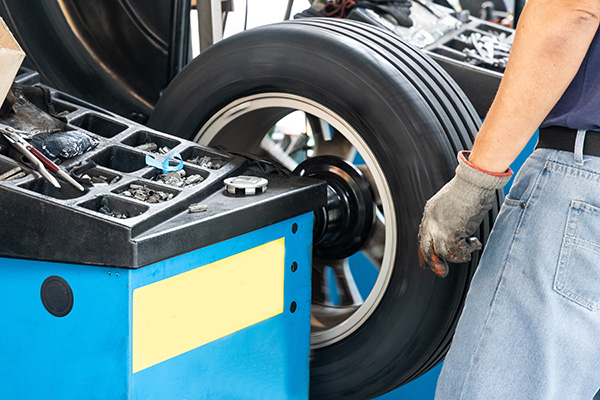
Tire service can sound like one big category until you are trying to decide what your car actually needs. New tires, wheel alignment, tire rotation, and tire balancing all help the vehicle drive better, but each solves a different problem. Mixing them up can lead to uneven tire wear, vibration, pulling, or premature tire replacement. Good tire care is not only about buying a new set when the tread is gone. It is also about keeping the tires from wearing unevenly and helping the vehicle stay stable between replacements. When New Tire Sales Make Sense New tires are needed when the current set is worn, damaged, too old, or no longer safe for the way the vehicle is driven. Low tread is one of the easiest reasons to spot. Once tread depth gets too low, the tires have less grip, especially in rain, and stopping distance can increase. Damage matters too. Sidewall bubbles, deep cracks, punctures near the sidewall, exposed cords, and tire separation are all signs that the t ... read more