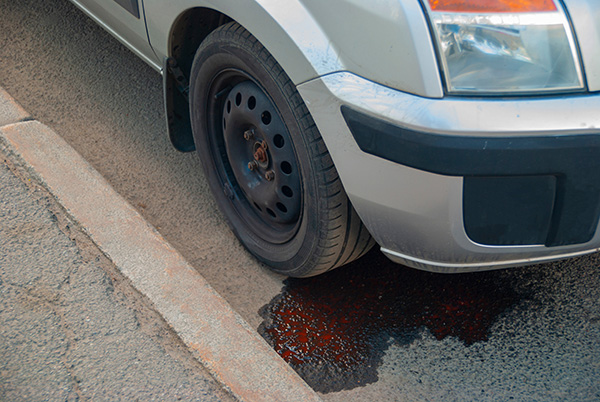
A leaking steering rack does not automatically mean the entire steering system needs to be replaced. Some leaks come from hoses, fittings, or external seals around the rack, while others come from internal wear that makes replacement the better long-term repair.
The first step is figuring out exactly where the power steering fluid is escaping and the rack's mechanical condition. A rack that only has a minor external leak is very different from one with worn internal seals, corrosion, or excessive play in the steering mechanism.
Not Every Leak Comes From the Steering Rack Itself
Power steering fluid can travel along hoses, brackets, crossmembers, and the rack housing before dripping onto the ground. That makes it easy to assume the rack is leaking when the real source is somewhere nearby.
High-pressure hoses, return hoses, O-rings, fittings, and the power steering pump can all leak in the same area. At our shop, we clean the wet surfaces and trace fresh fluid back to the highest point. Replacing the steering rack before confirming the source can turn into a very expensive way to fix a leaking hose.
Internal Rack Seals Can Wear Out With Age
Hydraulic steering racks use internal seals to keep pressurized fluid inside while the rack shaft moves from side to side. Those seals deal with heat, pressure, and thousands of steering cycles.
As they age, the rubber can harden or lose its ability to seal tightly. Fluid may then collect inside the rubber bellows at the ends of the rack. Those boots are supposed to stay dry inside, so finding power steering fluid there strongly suggests an internal rack seal has failed.
Some External Leaks Can Be Repaired
If the leak is coming from a serviceable fitting, hose connection, O-ring, or another external component, repairing the leak without replacing the complete rack can make sense.
The same is true if a related hose or line is responsible. We also inspect the rack's condition before recommending a smaller repair because fixing an external leak on a rack that already has major internal looseness would not be a good investment. The repair must stop the fluid loss and leave the steering system in dependable condition.
Corrosion and Shaft Wear Can Make Rebuilding a Poor Choice
A rack seal needs a smooth surface to ride against. If the rack shaft is rusty, pitted, or deeply scored, a new seal can fail again because it cannot maintain consistent contact.
That is where replacement starts making more sense. During an inspection, we look for corrosion, shaft damage, worn bushings, internal play, and rough movement. If several parts of the rack are already worn, rebuilding only the leaking area can leave you paying for another steering repair later.
Steering Play Changes the Repair Decision
A steering rack can leak and also be mechanically worn. You may notice looseness in the steering wheel, wandering on the highway, clunking during direction changes, or uneven steering effort.
Those symptoms tell us the rack has more than a sealing problem. Internal gears, bushings, or guide components may already have wear. If the unit is leaking and has excessive play, replacing it is usually the more dependable option because the repair needs to restore both fluid control and steering precision.
Low Fluid Can Damage the Power Steering Pump
A leaking rack becomes more expensive if you let the reservoir run low. The power steering pump depends on fluid for lubrication and hydraulic pressure.
Once the level drops, the pump can begin whining, groaning, or pulling air into the system. Continuing to drive can damage the pump and cause inconsistent steering assist. Regular maintenance gives us a chance to catch a small leak before one steering problem turns into both a rack and pump repair.
When Does Replacement Make More Sense?
Replacement is usually the stronger option when the rack has internal seal failure combined with mechanical wear, corrosion, damaged sealing surfaces, or repeated leakage after previous repairs.
Warning signs include:
- Fluid collecting inside the rack boots
- Repeatedly low power steering fluid
- Steering looseness or wandering
- Clunking from the rack area
- Corroded or damaged rack shaft
- Heavy steering along with fluid loss
- A leak returning after prior seal work
- Internal movement beyond specification
A quality replacement rack can also make more financial sense when rebuilding labor approaches the cost of a complete unit.
The Right Repair Depends on the Whole Steering System
Before making the call, we check the steering rack along with the pump, hoses, tie rods, boots, fluid condition, and related suspension parts. A rack can be blamed for steering symptoms that actually come from worn tie rods or ball joints.
We also consider the age of the vehicle, repair cost, parts availability, and whether the rack can be rebuilt to a standard we are comfortable standing behind. The goal is not to replace the most expensive part. It is to choose the repair that actually solves the leak and restores safe, predictable steering.
Get Steering Rack Repair In Evans, GA, With Marc Yount's Tire Pros
If your vehicle is losing power steering fluid, making steering noises, or showing signs of a leaking rack, Marc Yount's Tire Pros in Evans, GA, can inspect the rack, hoses, pump, seals, and related steering components to determine whether repair or replacement makes more sense.
Schedule a steering system inspection before a manageable leak turns into pump damage or a larger steering repair.